Address
304 North Cardinal St.
Dorchester Center, MA 02124
Work Hours
Monday to Friday: 7AM - 7PM
Weekend: 10AM - 5PM

Address
304 North Cardinal St.
Dorchester Center, MA 02124
Work Hours
Monday to Friday: 7AM - 7PM
Weekend: 10AM - 5PM

PACKING YOUR SUCCESS
PACKING YOUR SUCCESS
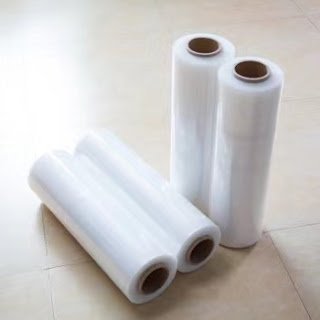
When you choose a shrink wrap machine, one question inevitably follows: which film should I use?

The
answer matters more than most buyers realize. The wrong film can lead
to wrinkled packages, production delays, broken seals, or even damaged
products. The right film, on the other hand, delivers a tight,
crystal-clear package that protects your product and looks great on the
shelf.
At RAYNOR Machinery,
based in Kunshan, China, we manufacture shrink wrap machines,
cellophane overwrappers, and palletizing robots for customers worldwide.
We work with all major shrink film types every day. In this guide, we
will explain the differences between the most common shrink film
materials — POF, PE, PVC and BOPP — and help you choose the right one for your application.
Shrink
film is a heat‑shrinkable plastic material. During manufacturing, the
film is stretched and oriented. When heat is applied later — in a shrink
tunnel or with a heat gun — the film tries to return to its original
dimensions and shrinks tightly around the product.
The
result is a “second skin” that conforms to the product shape, offering
protection against dust, moisture, tampering, and shipping damage.
Shrink film is used across virtually every industry: food and beverage,
pharmaceuticals, electronics, cosmetics, consumer goods, and industrial
pallet bundling.
Now, let us look at the four main types.

POF
(Polyolefin Orientated Film) is an environmentally friendly heat shrink
film made from high‑quality polyolefin raw materials through a
double‑bubble biaxial stretching process. It is widely regarded as the premium choice for shrink wrapping — and the preferred alternative to traditional PVC.
| Property | Detail |
|---|---|
| Transparency | Extremely high, excellent gloss, near-invisible on the package |
| Shrinkage Temperature | Moderate (80–120°C), wide heating range |
| Shrinkage Rate | Balanced (50–70% in both directions), uniform shrinkage |
| Low-Temperature Resistance | Excellent (non-brittle at -50°C) |
| Toughness | High puncture resistance, not easy to break after shrinking |
| Safety | Nontoxic, no harmful fumes during sealing |
| Recyclability | Good — recyclable in designated programs |
| FDA Status | Compliant with US FDA and USDA standards |
Balanced shrinkage gives a wrinkle‑free, tight fit even on complex shapes like gift boxes or irregular products.
Superior clarity makes the product fully visible and enhances shelf appeal.
Outstanding low‑temperature performance (non‑brittle at -50°C) makes it ideal for frozen food packaging and cold chain logistics.
Safe for food contact: FDA‑approved and emits no toxic odors during processing.
Soft seal corners after packaging — will not cut hands, unlike PVC.
Wide automation compatibility works with L‑bar sealers, side sealers, and fully automatic shrink wrapping lines.
Environmentally friendly: chlorine‑free and recyclable.
Higher cost than PVC (but often justified by performance and safety)
Requires proper temperature control (though the range is forgiving)
POF is the most versatile shrink film, used across many industries:
Food packaging: meat, dairy, vegetables, fruits, coffee, frozen foods, and baked goods
Pharmaceuticals: tablets, capsules, medical devices — provides sterile, contamination‑proof packaging
Cosmetics and personal care: perfume cartons, soap boxes, gift sets
Electronics: gadget boxes, USB drives, printer cartridges
Toys, stationery, and printed materials
Beverage multi‑packs and promotional bundling
POF is also the primary material for overwrapping applications where a premium, retail‑ready finish is required.

PE
(Polyethylene) shrink film is a strong, thick film designed for
heavy‑duty industrial applications. Unlike POF, PE is often translucent
or milky white rather than crystal clear. It is widely used for
pallet‑level bundling and protecting large or irregular items.
| Property | Detail |
|---|---|
| Transparency | Low (translucent or milky white), poor gloss |
| Shrinkage Temperature | High (120–180°C), requires strong heating equipment |
| Shrinkage Rate | Low (longitudinal 5–15%, transverse 30–50%), slow shrinking speed |
| Toughness | Extremely high puncture and tear resistance |
| Low-Temperature Resistance | Good, resists cracking in cold conditions |
| Safety | Nontoxic, no harmful fumes |
| Recyclability | Moderate |
Exceptional puncture and tear resistance protects heavy or sharp‑edged products during transit.
Superior toughness after shrinking — does not break under rough handling.
Withstands low temperatures and harsh conditions without cracking.
Excellent moisture barrier prevents humidity damage in warehouses and containers.
Cost‑effective for heavy‑duty applications where high clarity is not required.
Low transparency and poor gloss — not suitable for retail packaging where product visibility matters.
Higher shrinkage temperature requires more energy and specialized equipment (steam shrink machines or high‑temperature hot air tunnels).
Looser fit after shrinking compared to POF — more suitable for stabilization than tight wrapping.
Slower shrinkage speed may reduce line efficiency for high‑speed operations.
PE is the workhorse of heavy‑duty and industrial packaging:
Pallet bundling and unitization: stabilizing entire pallets of goods for transport
Beverage bottle multi‑packs: bundling cases and trays
Construction materials: wrapping lumber, pipes, insulation, and hardware
Furniture and large appliances: protection during warehousing and shipping
Industrial parts and machinery: dust and moisture protection
Export packaging: durable outer layer for sea freight
PE is also the standard material for pallet shrink hoods
— large covers that fit over entire pallets and shrink tightly to
secure the load during international shipping. These hoods offer
protection against moisture, dust, dirt, and theft.
⚠️ Note:
PE stretch film (used for pallet wrapping without heat) is a different
product from PE shrink film. The table above refers to PE shrink film,
which requires a shrink tunnel.

PVC
(Polyvinyl Chloride) shrink film was once the dominant material in the
shrink packaging industry. It is low cost, shrinks at relatively low
temperatures, and offers good clarity. However, significant
environmental and safety concerns have led many markets to restrict or
phase out PVC in favor of POF.
| Property | Detail |
|---|---|
| Transparency | High initially, may yellow over time due to plasticizer migration |
| Shrinkage Temperature | Low (60–90°C), suitable for heat-sensitive products |
| Shrinkage Rate | Unbalanced — transverse strong (40–60%), longitudinal weak (10–30%) |
| Shrinkage Uniformity | Poor — may cause wrinkles and edge distortion |
| Low-Temperature Performance | Poor — becomes brittle and cracks in cold or frozen conditions |
| Toughness | Moderate, becomes brittle after shrinking |
| Safety | Emits toxic fumes during sealing |
| Recyclability | Very poor — difficult to recycle, causes environmental pollution |
Low cost — typically the cheapest shrink film option, suitable for high‑volume production where budget is the primary constraint.
Low shrinkage temperature (60‑90°C) makes it suitable for heat‑sensitive products like some foods and cosmetics.
High initial clarity when fresh, good gloss.
Toxic fumes
during sealing — PVC releases hydrochloric acid gas when heated,
requiring proper ventilation and posing health risks to workers.
Poor low‑temperature performance — becomes hard and brittle, easily cracks in cold environments or during frozen storage.
Unbalanced shrinkage — transverse shrinkage is much stronger than longitudinal, often causing wrinkles and distortion at the edges of packages.
Hard, sharp seal corners after packaging — can cut hands, unlike POF or PE.
Yellowing over time — plasticizer migration can cause discoloration, reducing shelf appeal.
Difficult to recycle — PVC is not easy to recycle and causes environmental pollution.
Low shrink force — not ideal for heavy or bundled products.
Already banned or restricted in many markets, especially for food contact applications.
PVC has been largely replaced by POF in most developed markets, but it is still used in some regions for:
Low‑cost retail packaging where environmental regulations are less strict
Heat‑sensitive products requiring low shrinkage temperatures
Some cosmetic and personal care items
Promotional bundling where budget is the only consideration
⚠️ Important:
Many countries and large retailers have restricted or banned PVC in
packaging due to environmental and health concerns. If you export to
Europe, North America, or Japan, PVC may not be an acceptable choice.

BOPP (Biaxially Oriented Polypropylene) is a high‑performance film used primarily for overwrapping
rather than shrink wrapping. While it does shrink somewhat when heated,
its main function is to create a tight, wrinkle‑free wrapper around
individual cartons — often as an alternative to cellophane.
BOPP is made from petroleum and is widely used in cigarette packaging, food overwrap, and high‑speed flow wrapping. Sustainable alternatives include cellulose‑based films made from wood pulp.
| Property | Detail |
|---|---|
| Transparency | Excellent — low haze, high gloss, no surface texture |
| Shrinkage Temperature | Low-temperature and coated varieties available |
| Heat seal range | Wide, with high seal strength |
| Water vapor barrier | Excellent |
| Stiffness | High — good machinability on high-speed lines |
| Surface treatment | Coated varieties available to prevent sticking |
| Environmental status | Petroleum-based; sustainable equivalents exist (cellulose, PLA) |
Exceptional clarity and gloss — outperforms most other films for premium retail presentation.
Wide heat seal range and high seal strength — reliable on high‑speed overwrapping machines.
Excellent water vapor barrier — keeps moisture out, preserving product freshness.
Uniform thickness and wide shrinkage control range — consistent results.
High stiffness — good machinability and dimensional stability.
No sticking issues — coated varieties prevent film‑to‑box adhesion when the box surface has BOPP coating.
Gradual replacement of cellophane — BOPP is now the dominant material for cigarette packaging and many food overwrap applications.
Made from petroleum — not renewable, though more energy‑efficient to produce than some alternatives.
Limited “shrink” capability — primarily an overwrap film, not a full shrink film. For tight, conforming shrink around complex shapes, POF is superior.
May stick to coated box surfaces
— if both the film and box coating are BOPP, uncoated BOPP may adhere
and damage the box when torn open. Coated varieties solve this issue.
BOPP is primarily used for overwrapping individual cartons on cellophane packaging machines (overwrappers):
Cigarette packaging — the largest single application for BOPP
Biscuits and bakery items — flow‑wrapped individual packs
Tea and coffee cartons — premium overwrap
Cosmetics and perfume boxes
Pharmaceutical cartons
High‑speed flow wrapping for food products
BOPP and traditional cellophane have similar properties and can largely be used interchangeably, especially in food packaging. However, for applications requiring deep shrink and conforming fit around irregular shapes, POF remains the superior choice.
| Property | POF | PE | PVC | BOPP |
|---|---|---|---|---|
| Primary use | Shrink wrapping | Heavy-duty / pallet bundling | Budget shrink (restricted) | Overwrapping (cartons) |
| Transparency | Excellent | Low (translucent) | Good (initially) | Excellent |
| Shrinkage temp | 80–120°C | 120–180°C | 60–90°C | Low-temp varieties available |
| Shrinkage uniformity | Excellent | Poor | Poor | N/A (not primary shrink film) |
| Low-temp resistance | Excellent (-50°C) | Good | Poor (brittle) | Good |
| Puncture resistance | High | Very high | Moderate | High |
| Toughness after shrinking | Excellent | Excellent | Poor (brittle) | Good |
| Toxicity during sealing | None | None | Toxic fumes | None |
| Recyclability | Good | Moderate | Very poor | Moderate |
| Cost | Moderate | Moderate | Low | Moderate to high |
| Best for | Food, pharma, cosmetics, retail | Pallets, construction, heavy items | Low-cost where regulations allow | Cigarettes, carton overwrap, flow wrap |

Ask yourself these questions before selecting a film:
Simple rectangular boxes: any film will work, but POF or PVC offers the best clarity.
Irregular or complex shapes (rounded, tapered, sharp edges): POF has the best conformability.
Cylindrical items (bottles, cans): PE for bundling; POF for individual wrapping.
Flat or thin items: POF or BOPP.
Cold chain or frozen storage (‑50°C to 0°C): POF only — non‑brittle even at extremely low temperatures. PVC will crack; PE is acceptable but less transparent.
High‑humidity environments (warehouses, sea freight): PE for pallet‑level protection; POF for individual product protection.
Room temperature retail storage: POF, BOPP, or PVC (where permitted).
Direct food contact (meat, dairy, baked goods, produce): POF (FDA‑compliant) is the safest choice. PE is also acceptable but less transparent. Avoid PVC for food contact in most markets.
Pharmaceuticals and medical devices: POF only — provides sterile, contamination‑proof packaging.
Exporting to Europe, North America, or Japan: Avoid PVC — it is restricted or banned in many applications. Choose POF or PE.
Corporate sustainability goals: Choose POF
(chlorine‑free, recyclable) or explore recycled‑content polyolefin
films (e.g., ReviveWrap with up to 30% pre‑consumer recycled resin). Bio‑based alternatives (PLA, cellulose) are also emerging.
Recyclability required: POF is the most recyclable of the shrink films; PVC is very difficult to recycle.
Lowest cost: PVC (but consider regulatory risks and safety)
Mid‑range cost, best value: POF — superior performance for a moderate price increase
Heavy‑duty budget: PE — low cost per square meter for pallet‑level applications
Shrink wrap machine with heat tunnel: POF, PE, or PVC (check tunnel temperature range).
Overwrap machine (cellophane wrapper): BOPP or traditional cellophane.
High‑speed automatic line: POF or BOPP — both offer excellent machinability.
Box with BOPP coating: Choose PVC cellophane film
(or coated BOPP) to prevent sticking. Uncoated BOPP film may stick to
BOPP‑coated boxes and damage the surface when the outer film is torn off.
The
shrink packaging market is large and growing. According to Fortune
Business Insights, the global shrink packaging market was valued at USD 12.27 billion in 2025 and is projected to reach USD 21.47 billion by 2034, growing at a CAGR of 6.48%. North America dominated the market in 2025 with a 31.44% share.
Key drivers of this growth include:
The rise of e‑commerce, driving demand for durable, damage‑resistant packaging
Increasing demand from the food and beverage industry for hygienic, tamper‑evident solutions
Sustainability initiatives pushing manufacturers to develop thinner, stronger, and more recyclable shrink films
Within the shrink film segment, polyolefin (POF) is the fastest‑growing material, as brands and retailers move away from PVC toward more sustainable, food‑safe alternatives.
The packaging industry is actively developing more sustainable shrink film options:
Recycled‑content polyolefin films:
Products like ReviveWrap use up to 30% certified pre‑consumer recycled
resin while maintaining high clarity and shrink performance, and are
recyclable at designated drop‑off locations.
PLA (Polylactic acid) films:
Bio‑based and biodegradable, PLA is made from renewable resources (corn
starch, sugarcane). Fraunhofer researchers are advancing PLA as a
bio‑based, biodegradable, and recyclable alternative with strong market
potential.
Cellulose‑based films:
Made from wood pulp, traditional cellophane and modern alternatives
like NatureFlex offer biodegradability. However, they have higher
production costs and are less common for shrink applications than for
overwrap.
BASF’s Ecovio FS: A biodegradable plastic with up to 66% bio‑based content, specifically designed for shrink film applications.
The
global biodegradable films market is growing rapidly, from USD 1.43
billion in 2025 to a projected USD 1.54 billion in 2026, at a CAGR of
7.6%, driven by rising environmental awareness and advances in
biodegradable polymer technology.
At
RAYNOR Machinery, we work with all these films daily on our shrink wrap
machines and overwrappers. Here are a few practical observations:
Store all shrink films in a cool, dry environment away from direct sunlight and heat sources.
PVC is especially sensitive
to temperature fluctuations — it becomes brittle and prone to cracking
in cold storage. POF and PE have much better low‑temperature tolerance.
POF produces soft, safe seal corners that will not cut hands — ideal for consumer‑facing packages.
PVC seal corners are hard and sharp — a safety hazard for workers and end consumers.
BOPP requires precise temperature control to achieve strong seals on high‑speed lines.
POF
works on virtually any shrink wrapping equipment — L‑bar sealers, side
sealers, continuous motion systems, and fully automatic shrink tunnels.
PE shrink film requires a high‑power heat tunnel (120‑180°C). Standard L‑bar sealers with small tunnels may not generate enough heat.
BOPP is designed for overwrap machines (cellophane wrappers), not standard shrink tunnels.
PVC
shrinks at low temperatures (60‑90°C) but the toxic fumes it releases
during sealing can damage equipment over time and pose health risks.
Choosing
the right shrink film is not complicated, but it requires understanding
your product, your equipment, and your market requirements.
For most retail and food applications: POF
is the best choice. It offers superior clarity, balanced shrinkage,
excellent low‑temperature performance, and regulatory compliance — all
at a reasonable cost.
For heavy‑duty pallet bundling and industrial packaging: PE is the workhorse — tough, durable, and cost‑effective for large‑scale protection.
For carton overwrapping on cellophane machines: BOPP is the modern standard — excellent clarity, high barrier properties, and high‑speed machinability.
For budget‑driven applications where regulations allow:
PVC is still available, but be aware of its environmental and safety
limitations — and many markets are already moving away from it.
The
global shift toward sustainable packaging is accelerating. POF is
already the most recyclable of the traditional shrink films, and new
bio‑based and recycled‑content alternatives are entering the market
rapidly.
Need help selecting the right shrink film for your packaging line?
At RAYNOR Machinery, we test and recommend films for our shrink wrap
machines and overwrappers every day. Contact us to discuss your
application.
📞 Contact us at raynorpack.com
📍 RAYNOR Machinery — Built in Kunshan, China. Delivered worldwide.
